Højhastighedsgranulat og pulverpakningsmaskine
Cat:Universel fuldautomatisk granulatpakningsmaskine
Hoved tekniske parametre: 1) udstyrsmodel: MP140; 2) Designet pakningshastighed: 400-600 pakker/minut; 3) Færdig pakke Dimensioner...
Se detaljer

Da
An automatic weight check and rejection system is a piece of equipment installed directly on a production or packaging line that weighs every single product as it passes by, compares that weight to a preset target range, and automatically removes any item that falls outside the acceptable limits. Unlike manual spot-checking, which only samples a handful of products every hour, this system checks 100% of the output in real time. This means underweight items that could trigger legal or customer complaints, and overweight items that waste raw material, are both caught before they ever leave the factory.
Most people simply call it a "checkweigher," but the full name — automatic weight check and rejection system — better describes what it actually does: it does not just weigh, it also takes action. That combination of sensing and rejecting is what separates it from a basic scale.
The process happens in a few fast, continuous steps as the product moves along the conveyor belt. Understanding each stage helps you troubleshoot problems later and explain the system to new operators.
Each item passes onto a dedicated weighing conveyor that is isolated from vibration and outside interference so the reading stays accurate even at high speeds.
A high-precision load cell converts the physical weight into an electronic signal. This signal is sent to the control system within milliseconds.
The system's software checks the reading against upper and lower weight limits that were programmed in advance. If the product falls inside the range, it is marked as "pass." If not, it is flagged for rejection.
A pusher arm, air blast, drop-flap, or diverter arm physically removes the out-of-range product from the main line and sends it to a reject bin, all without stopping the rest of the production run.
Installing an automatic weight check and rejection system is rarely optional once a factory scales up production, because the cost of not having one shows up in several places at once — wasted product, customer complaints, and regulatory risk.
While designs vary by manufacturer, nearly every automatic weight check and rejection system is built from the same core parts working together.
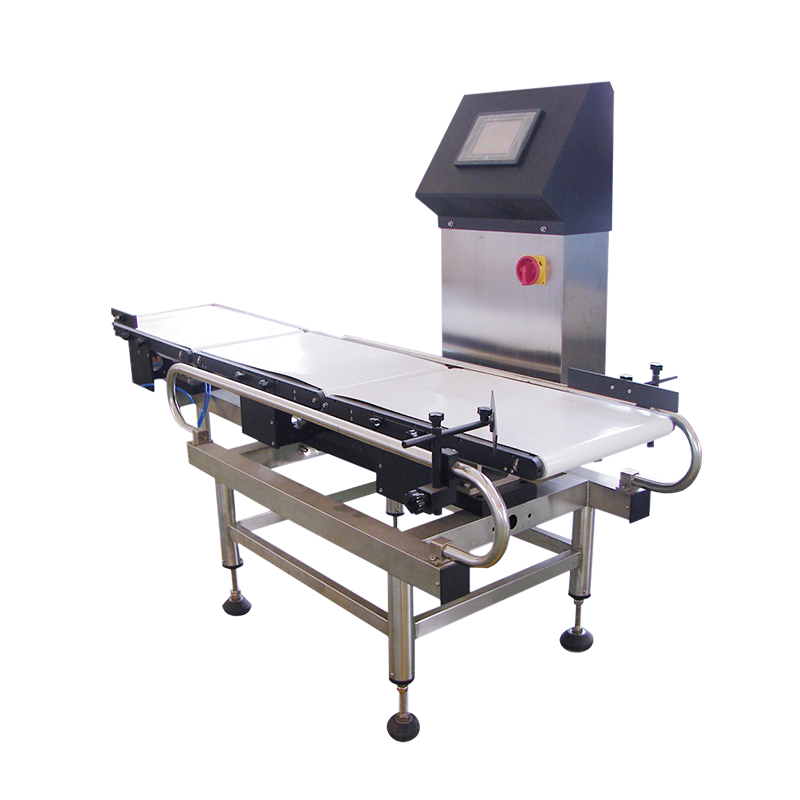
The right rejection method depends on the product's weight, shape, and how fast the line runs. The table below compares the most widely used options.
| Mechanism | Best For | Line Speed |
| Air Blast | Light, small packages | Very High |
| Pusher Arm | Boxes, bags, mid-weight items | Medium to High |
| Drop Flap | Fragile or unstable products | Low to Medium |
| Diverter Arm | Heavy or bulky items | Low to Medium |
Not every automatic weight check and rejection system fits every factory. Before buying, it helps to walk through a short checklist so the equipment matches your actual production conditions rather than a generic spec sheet.
A system that weighs candy to the gram is very different from one designed for 25kg sacks. Choose a load cell rated for your product's typical weight range, with enough precision to catch the small deviations that matter to your industry.
Check the maximum items-per-minute rating of the system against your current and future line speed. A unit that is too slow will become the bottleneck of your entire packaging process.
Modern systems can log every reading and generate automatic compliance reports, which is extremely useful during audits or when investigating why a filler upstream started drifting off target.
An automatic weight check and rejection system only stays reliable if it is maintained properly. Skipping routine checks is one of the most common reasons accuracy quietly degrades over time.
An automatic weight check and rejection system is one of the simplest upgrades that pays for itself quickly. By catching underweight and overweight products in real time, it protects your customers, your compliance record, and your bottom line, all while giving your team clear data to keep the entire production line running smoothly.
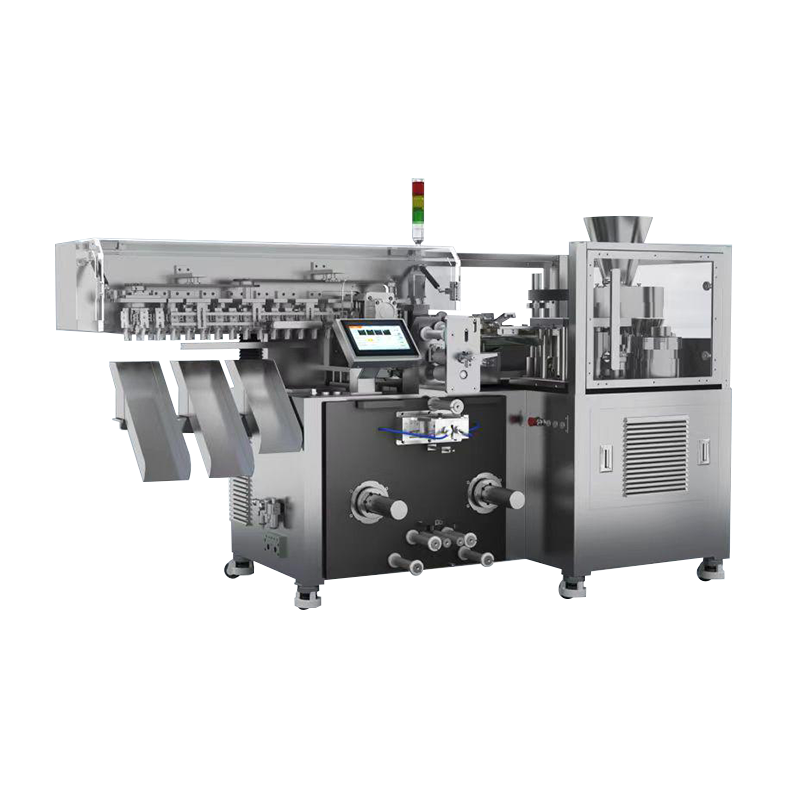
Hoved tekniske parametre: 1) udstyrsmodel: MP140; 2) Designet pakningshastighed: 400-600 pakker/minut; 3) Færdig pakke Dimensioner...
Se detaljer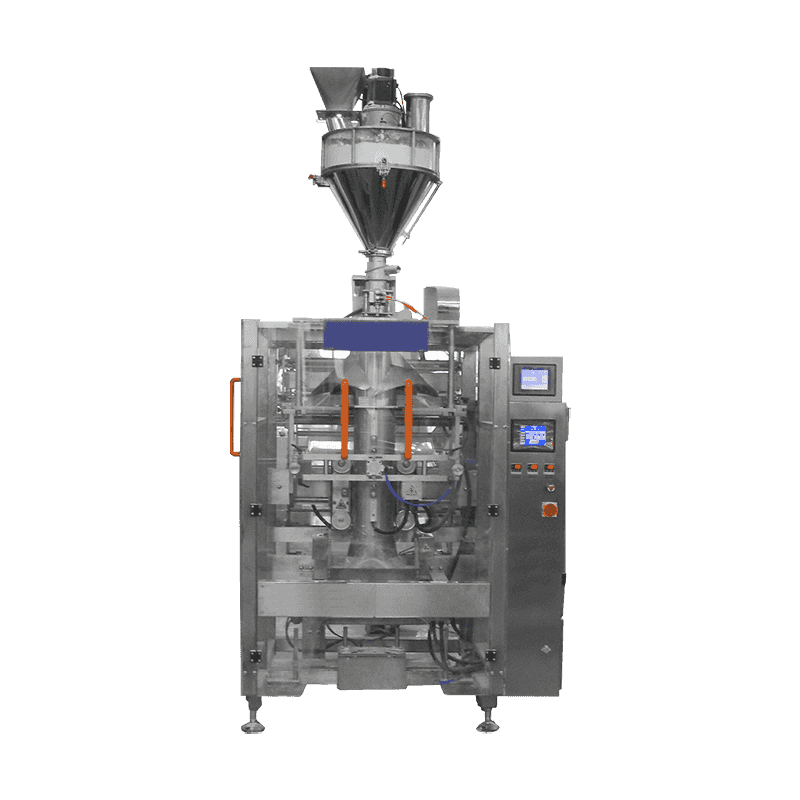
Dette emballagesystem kombinerer en snegle vejemaskine med 5000F/7300F/1100F lodret påfyldnings- og emballagemaskine, hvilket gør den ideel til nøj...
Se detaljer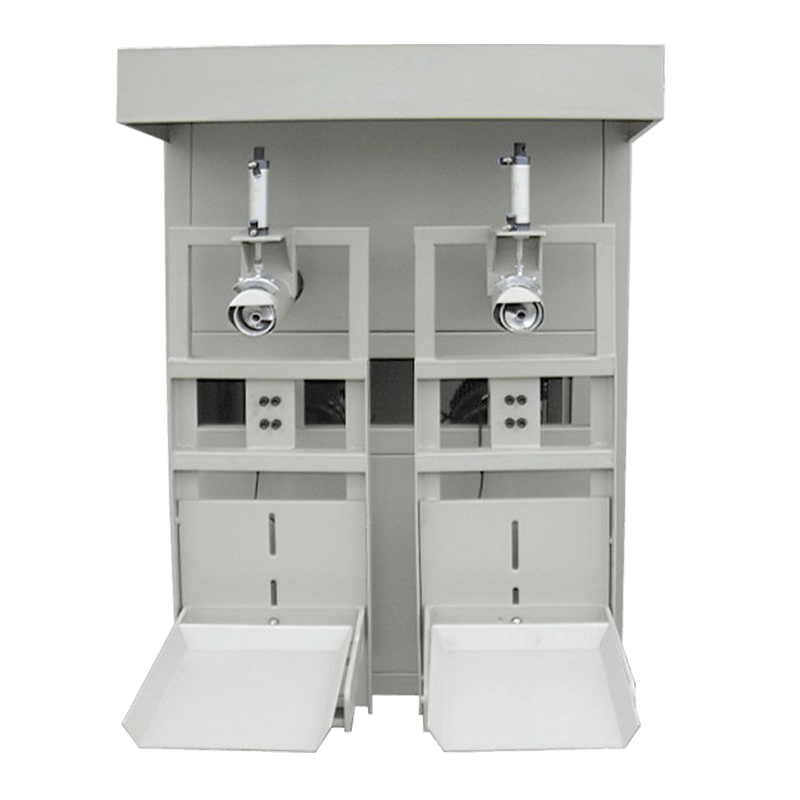
Denne højtydende ventilpose, der vejer og påfyldningsmaskine, er ideel til emballage tør mørtel, cement, kalk, gipspulver, tungt calciumpulver, kva...
Se detaljer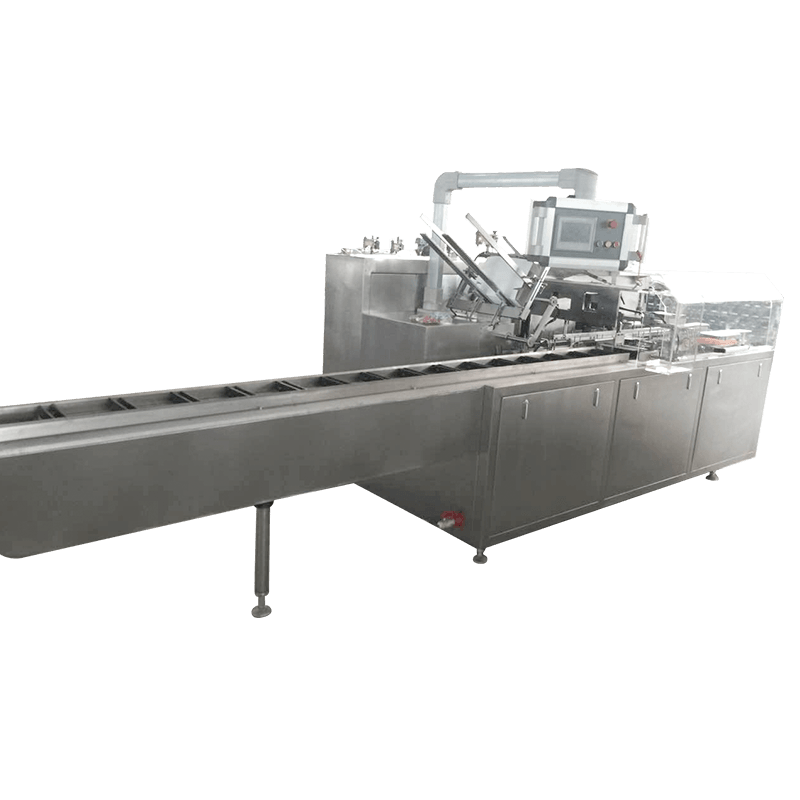
Automatiseret emballageproces: Denne maskine tilbyder automatiseret fodring, kasseåbning, produktindsættelse og forsegling i en strømlinet ...
Se detaljer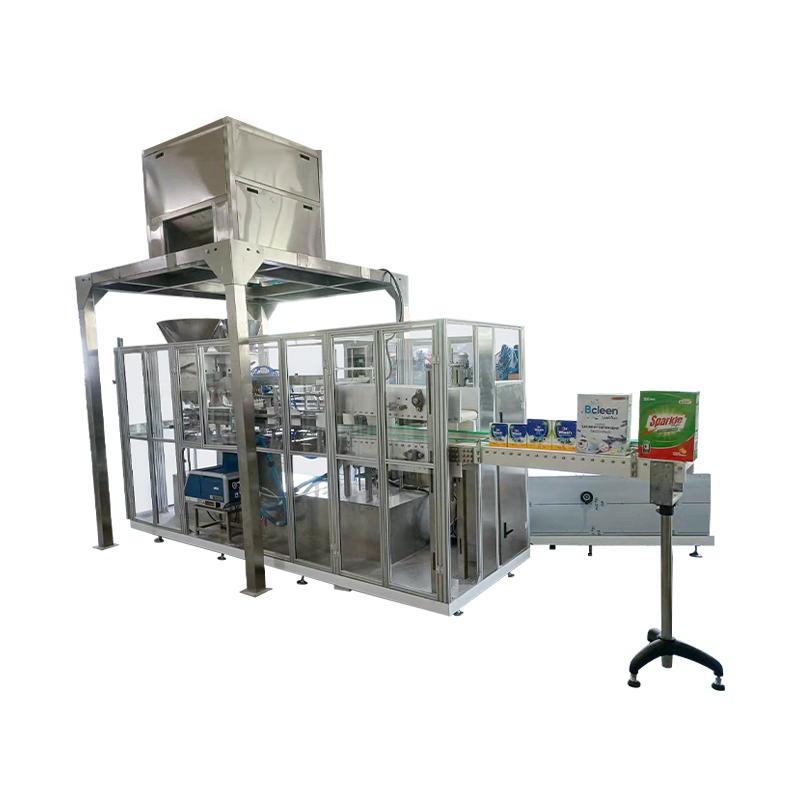
Formål og funktioner MP-100 kartonemaskine er i stand til pålideligt at indlæse forskellige materialer, såsom granuler, pulvere og pakket v...
Se detaljer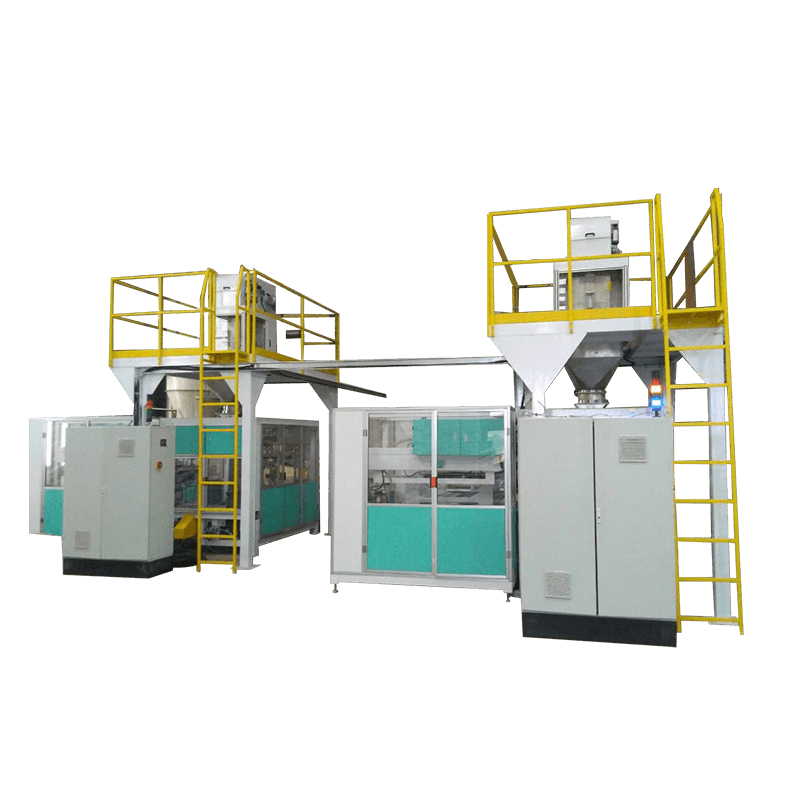
MPHB50 er et avanceret emballagesystem, der integrerer automatisk vejning, posefodring, fyldning, pakning, forsegling og levering. Det er designet ...
Se detaljer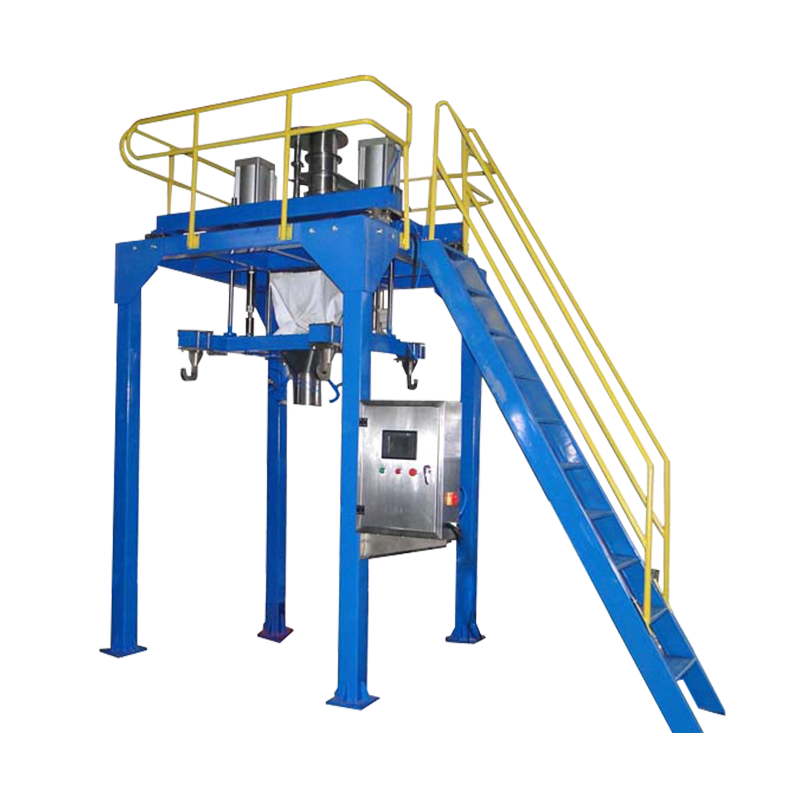
Fordele: MP1000K-kvantitativ ton-emballagemaskine har et avanceret vejningssystem med en højpræcisionssensor (0,02% nøjagtighed) og en højo...
Se detaljer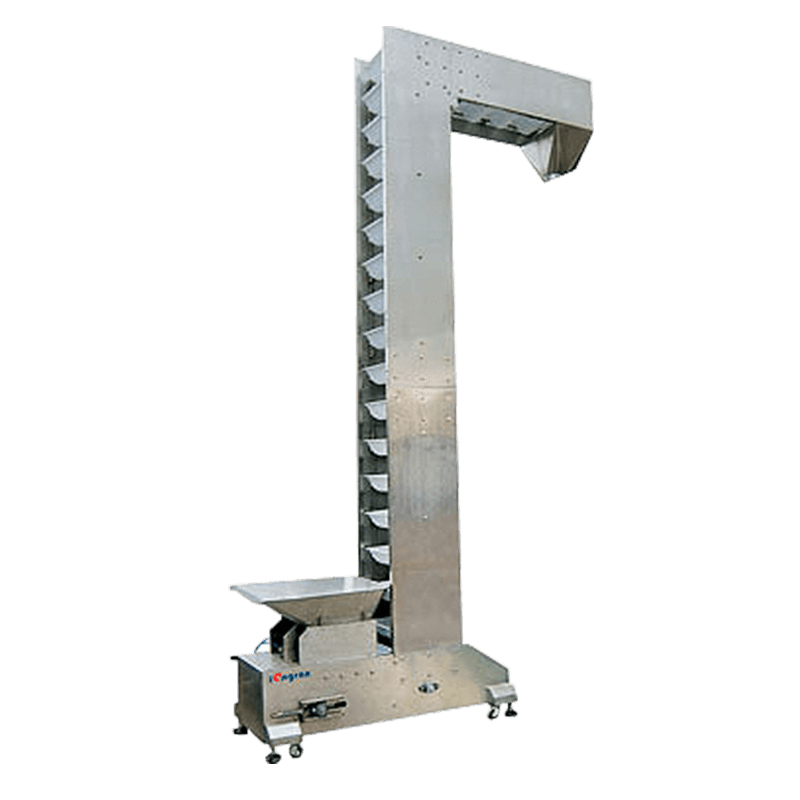
Driftsprincip og nøglefunktioner Vores spandelevator fungerer gennem en kædeløret hejse, designet til den lodrette transport af små blokke ...
Se detaljer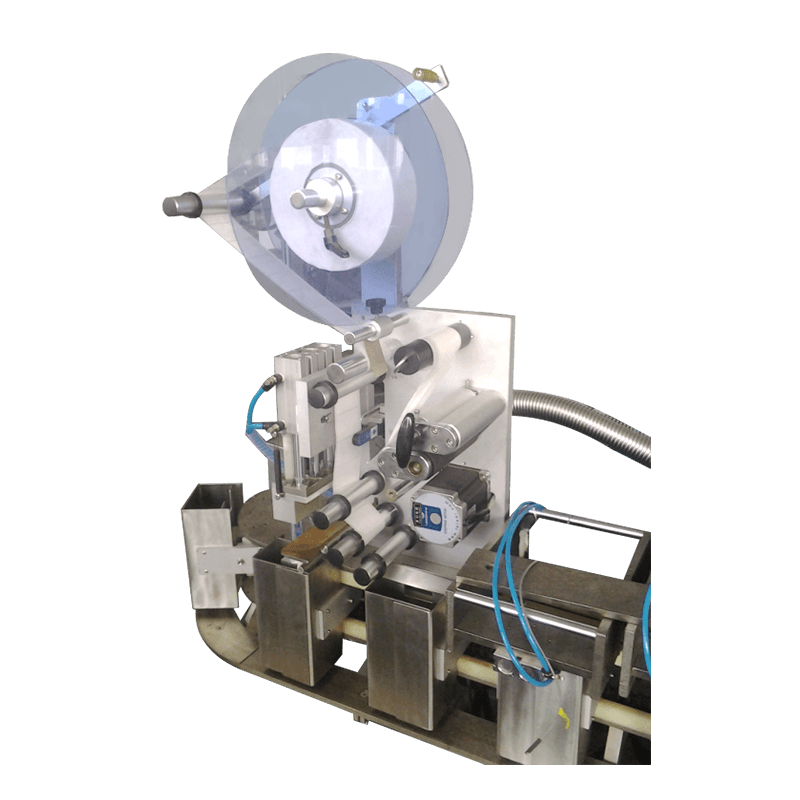
Den høje præcisionsautomatiske mærkningsmaskine er designet til at levere nøjagtig og effektiv mærkning til en lang række produkter. Med en mærknin...
Se detaljer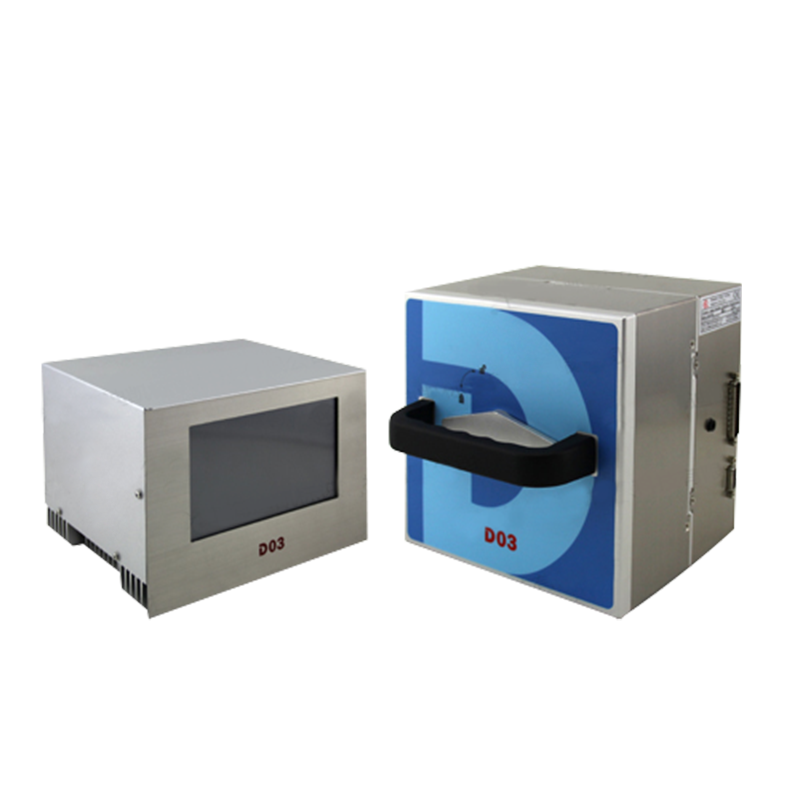
Funktioner: ● leverer en klar, solid kodningseffekt. ● Bygget til at modstå forskellige feltmiljøer og støtte udvidet højbelastningsdrif...
Se detaljer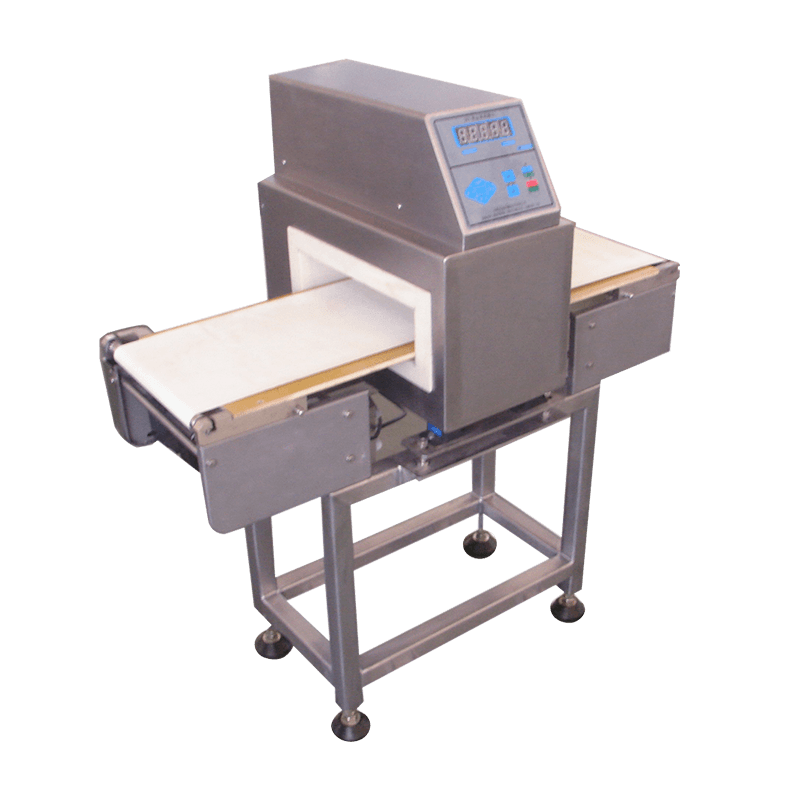
Fordele: MPJST Metal Detection Series bruger avanceret PC-baseret digital signalbehandlingsteknologi til at huske detektionseffekterne ...
Se detaljer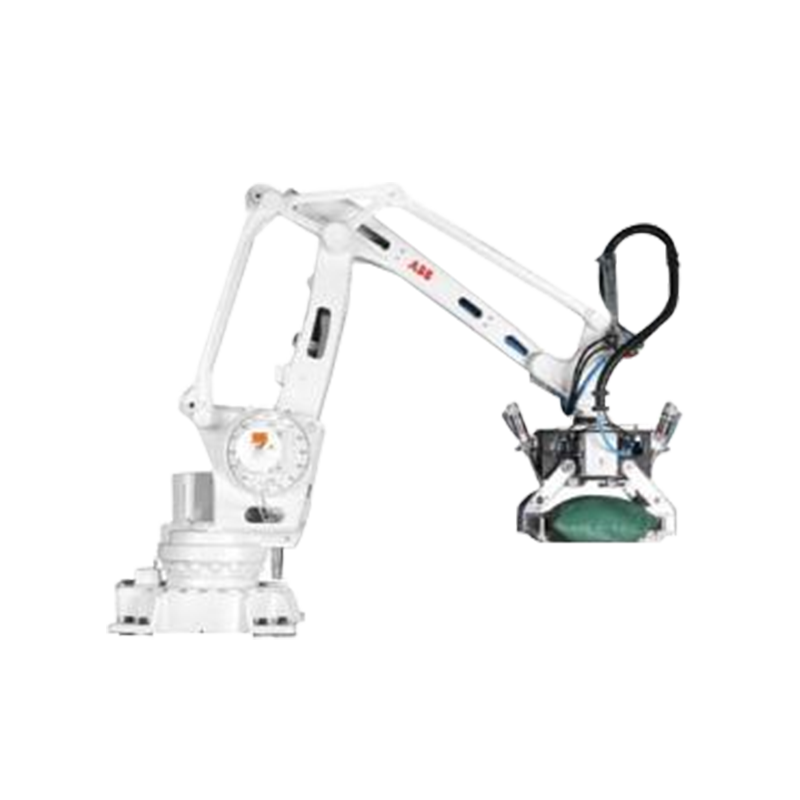
1. udstyrsfunktioner Palleteringsrobotsystemet er en nøglekomponent i automatiseret logistik. Det transporterer automatisk varer til pa...
Se detaljer
Anhui Mach Packing Machinery Co., Ltd. er fokus på forskning og udvikling og fremstilling af granulatemballagemaskiner, pulveremballagemaskiner, væske Emballagemaskiner og fuldautomatiske produktionslinjer.
Tushan Road, Xinzhan District, Yaohai District, Hefei City, Anhui -provinsen, Kina
+86 186 5603 2099
Copyright © Anhui Mach Packing Machinery Co., Ltd. All Rights Reserved.

Kontakt os